
Preparing for Your First Piano Masterclass

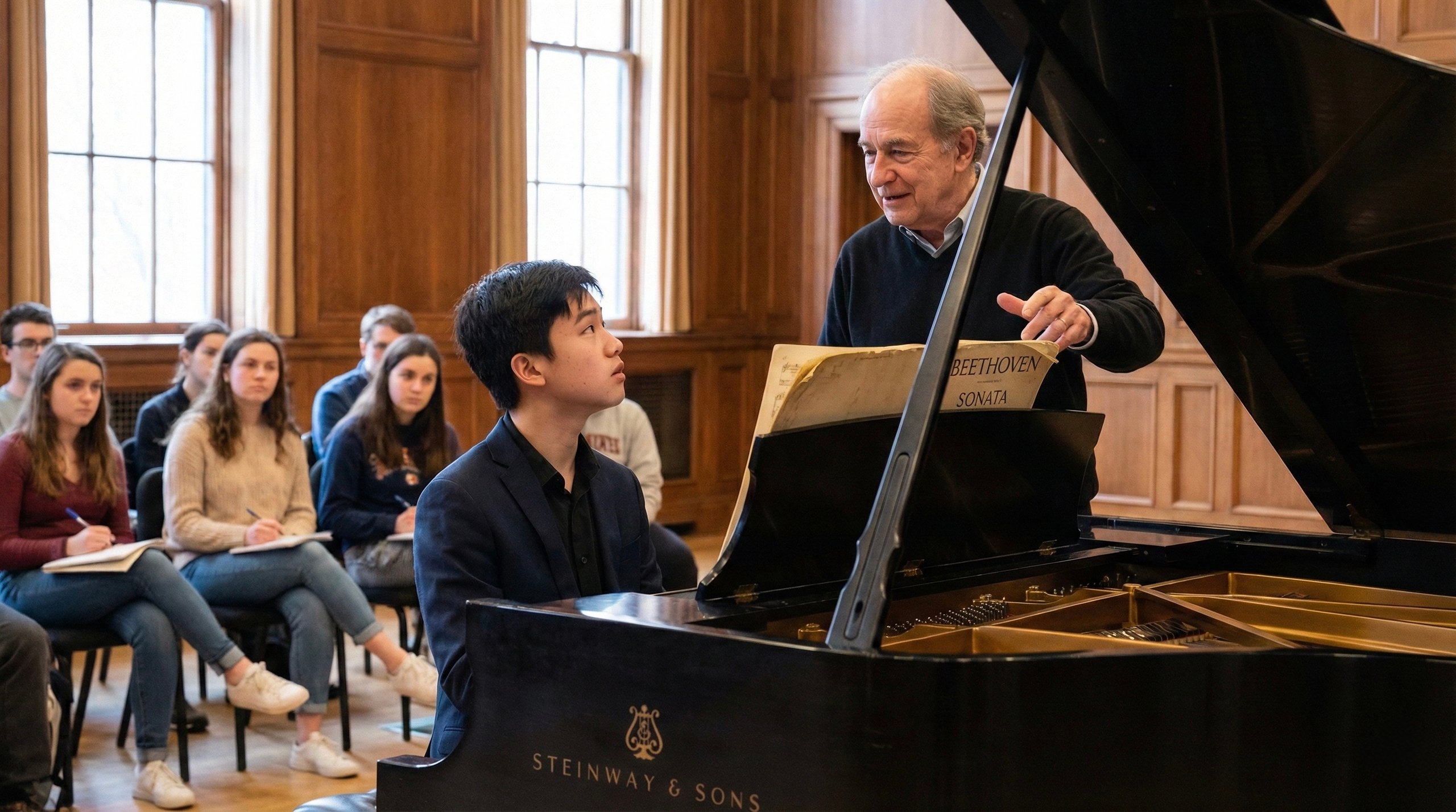
I still remember the humidity of the room. I was sixteen years old, clutching a battered Urtext edition of a Beethoven Sonata, standing in the wings of a small university concert hall. My hands were freezing, yet my palms were sweating. It is a paradox every pianist knows well.
I was about to play my first masterclass. In my head, I was not walking out to get a lesson; I felt like I was walking out to a firing squad. I was convinced the visiting artist would stop me after three measures, tell me I had terrible technique, and send me home.
That did not happen. Instead, he stopped me after the exposition, smiled, and asked, "Why did you rush that D major chord? It is the happiest moment in the piece. Enjoy it."
In that moment, the fear evaporated. I realized a masterclass is not an interrogation. It is a public laboratory for musical discovery.
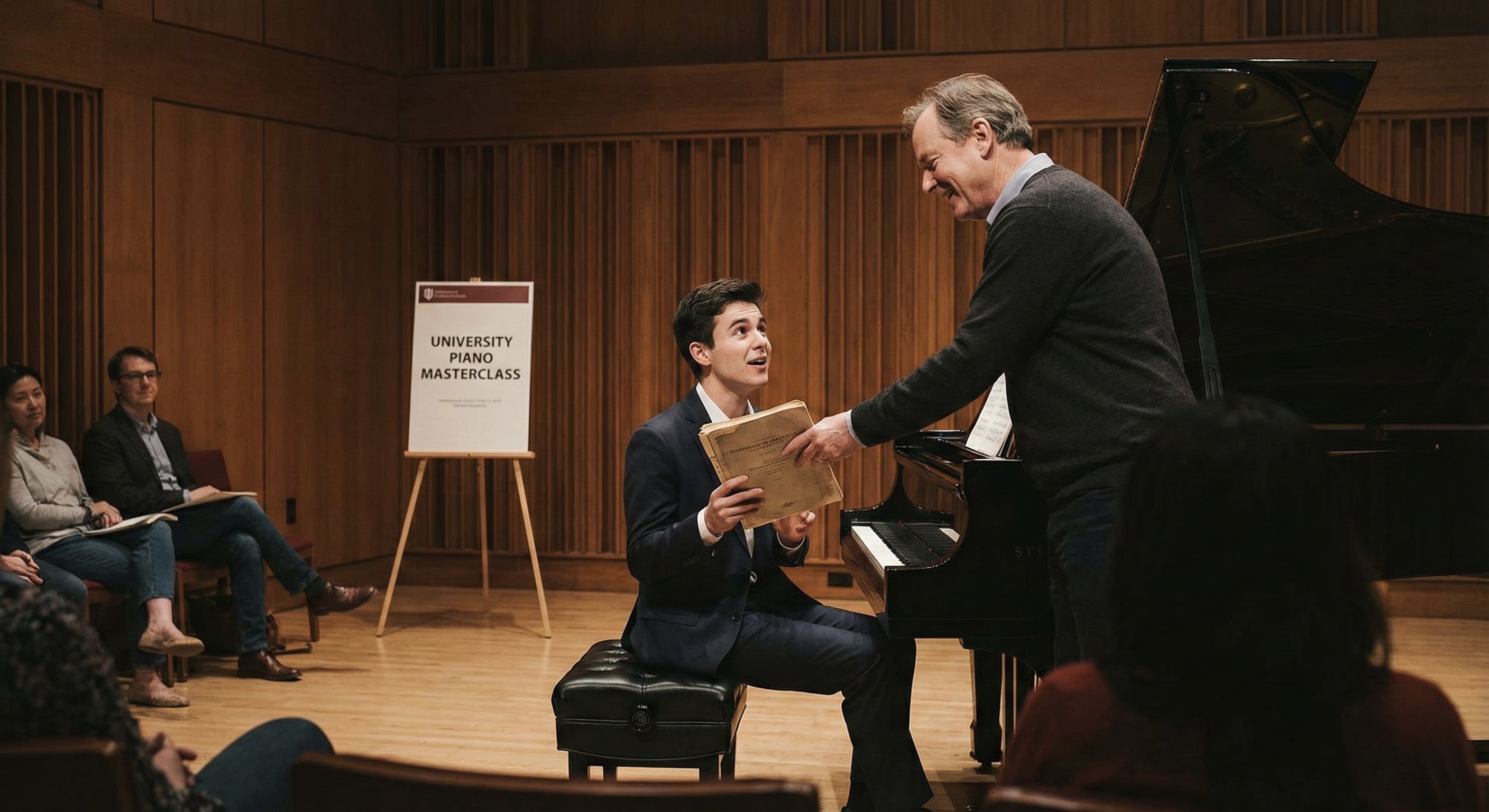
If you are preparing for your first time in the "hot seat," congratulations. You are about to accelerate your growth faster in 30 minutes than you might in three months of solitary practice. Here is how to navigate the nerves, the preparation, and the magic of the masterclass.
What Actually Is a Masterclass?
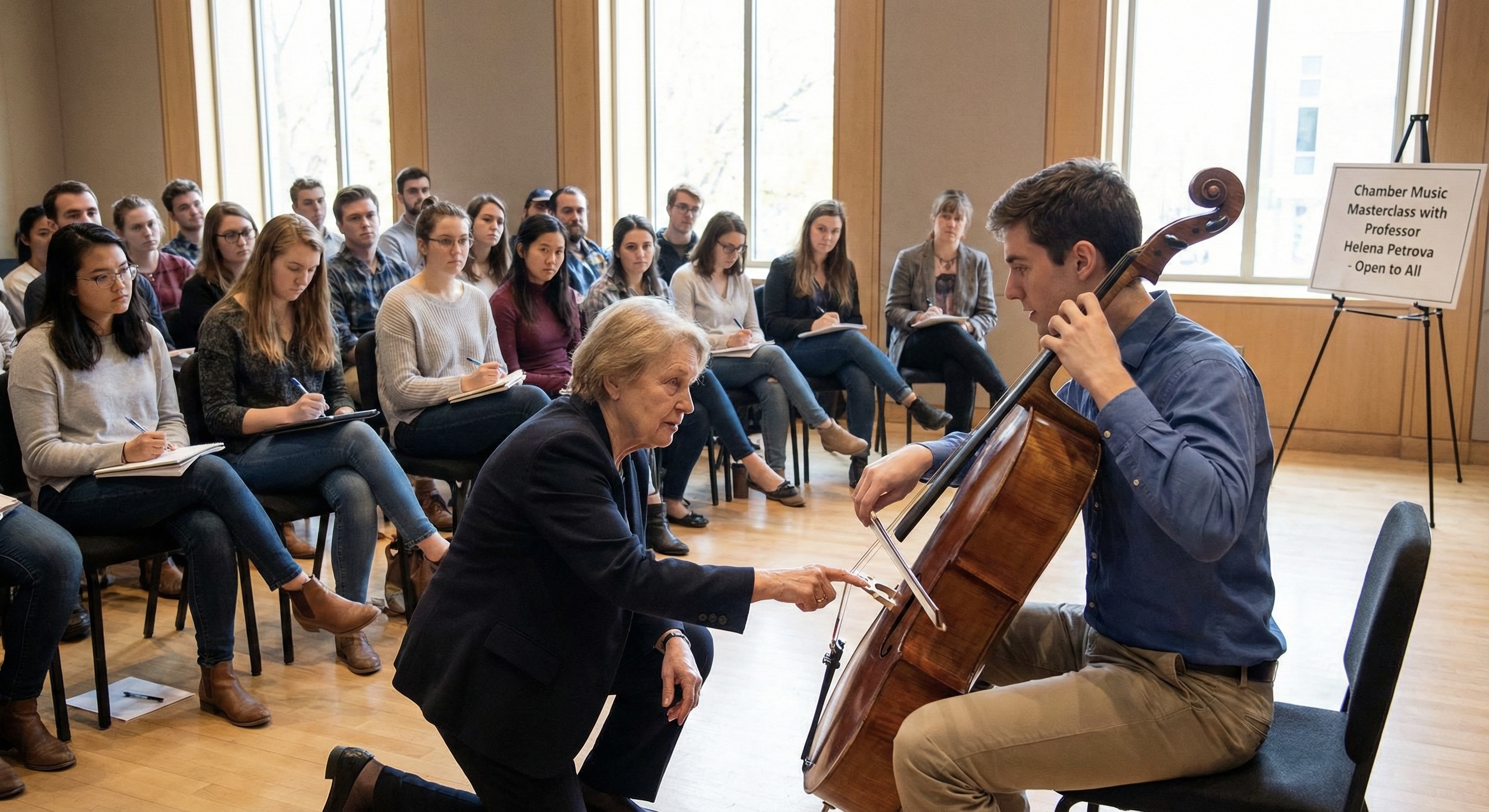
First, let us demystify the format. A masterclass is a conversation involving three parties: the teacher, the student, and the audience.
It is not an exam. The goal of the masterclass is not to grade you or fix every single wrong note. Their goal is to offer a fresh perspective, to unlock a specific sound, or to solve a technical puzzle you have been struggling to fix.
The Golden Rule: The critique is never about you as a person. It is about the music at that specific moment.
------------
1. Choosing The Repertoire
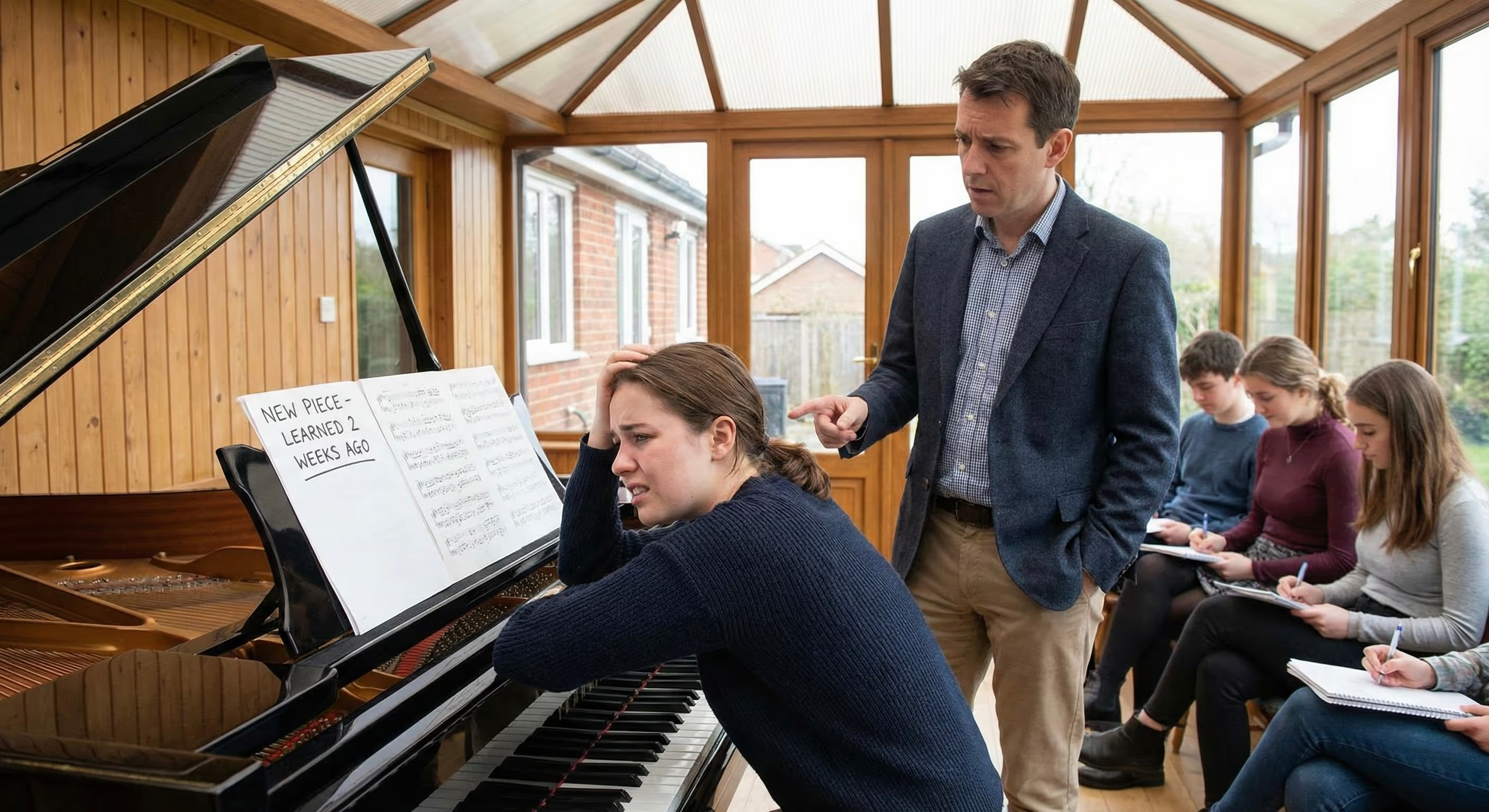
One of the biggest mistakes I made early on was bringing a piece I had just finished learning two weeks prior. I was so busy worrying about memory slips that I could not process the advice on phrasing given by the teacher.
Select a piece that is a good friend of you.
Polished is best: Bring music you have lived with for a while. You want your technical command to be on autopilot so your brain has the capacity to try new artistic ideas on the spot.
Avoid the brand new: If you are still struggling to get the notes right, a masterclass is not the right venue. The teacher cannot work on interpretation if the foundation is shaky.
------------
2. The Preparation Process
Once you have your piece, your practice needs to shift. You are not just practicing to perform; you are practicing to be interrupted.
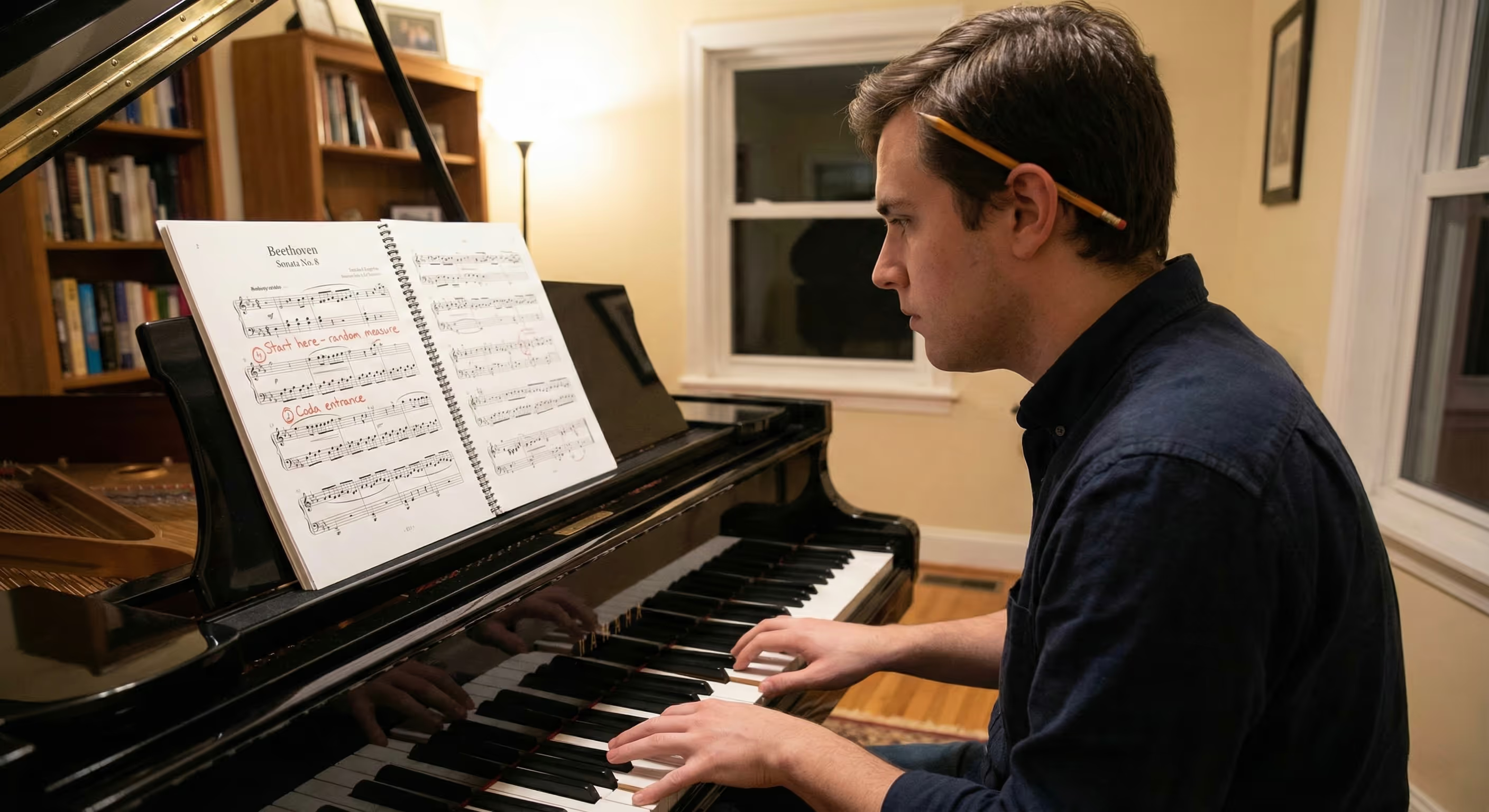
Practice stopping and starting: In a masterclass, you will rarely play the whole piece through. Practice starting from random measures. Try starting from the middle of the development, the coda, or the second theme.
Prepare your score: Always bring a clean copy of the sheet music for the teacher. If you want to look like a pro, tape the pages together so they do not fly off the music stand, or have the music neatly bound.
------------
3. Handling the Nerves
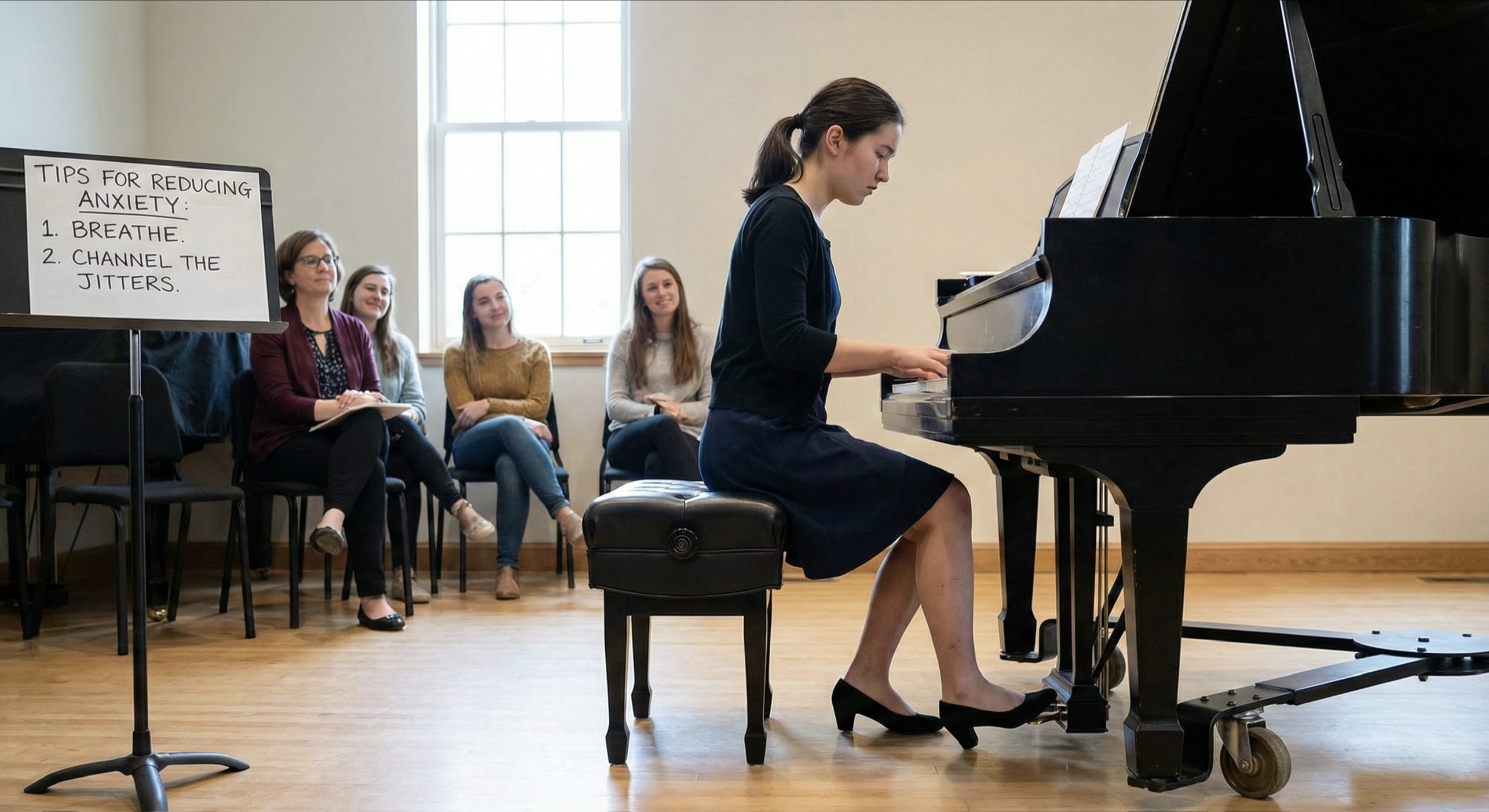
Let us be honest. Playing for a teacher while an audience watches is intimidating. When I sat down for that first masterclass, my leg was shaking so much I had to lift my foot off the pedal just to stop the noise.
Here is the secret: The audience is on your side. Everyone in that room wants you to succeed. They are not counting your mistakes; they are waiting for a moment of beauty.
Tips for Reducing Anxiety:
Breathe: Before you play the first note, take a breath. It signals to your body that you are in control.
Accept the jitters: Adrenaline is just energy. Do not try to suppress it. Channel it into the music.
------------
4. The Art of Being Teachable
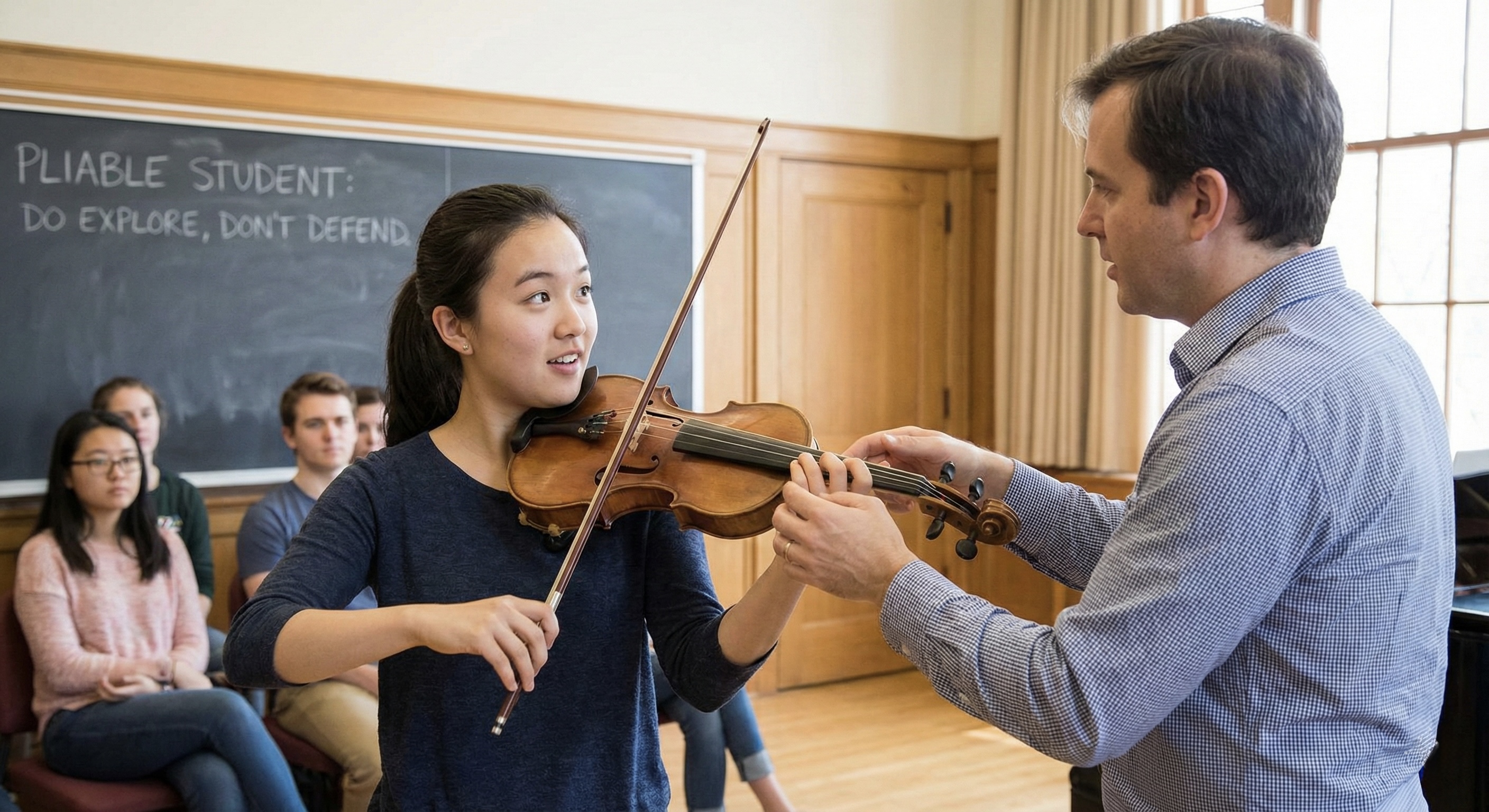
The most impressive students in masterclasses are not always the ones with the fastest fingers. They are the ones who are pliable.
When the teacher asks you to try something different, even if it feels weird, wrong, or the total opposite of what your regular teacher told you, try it anyway.
Do not defend: Avoid saying, "But I usually do it this way."
Do explore: Say, "Let me try that."
The Reason: You do not have to keep the change forever. But you must be willing to try on the "new coat" to see if it fits.
------------
5. Learning from the Audience
Sometimes, you learn more from sitting in the audience than you do on the bench. When you are not playing, watch the other students.
Notice how a slight change in posture changes their sound.
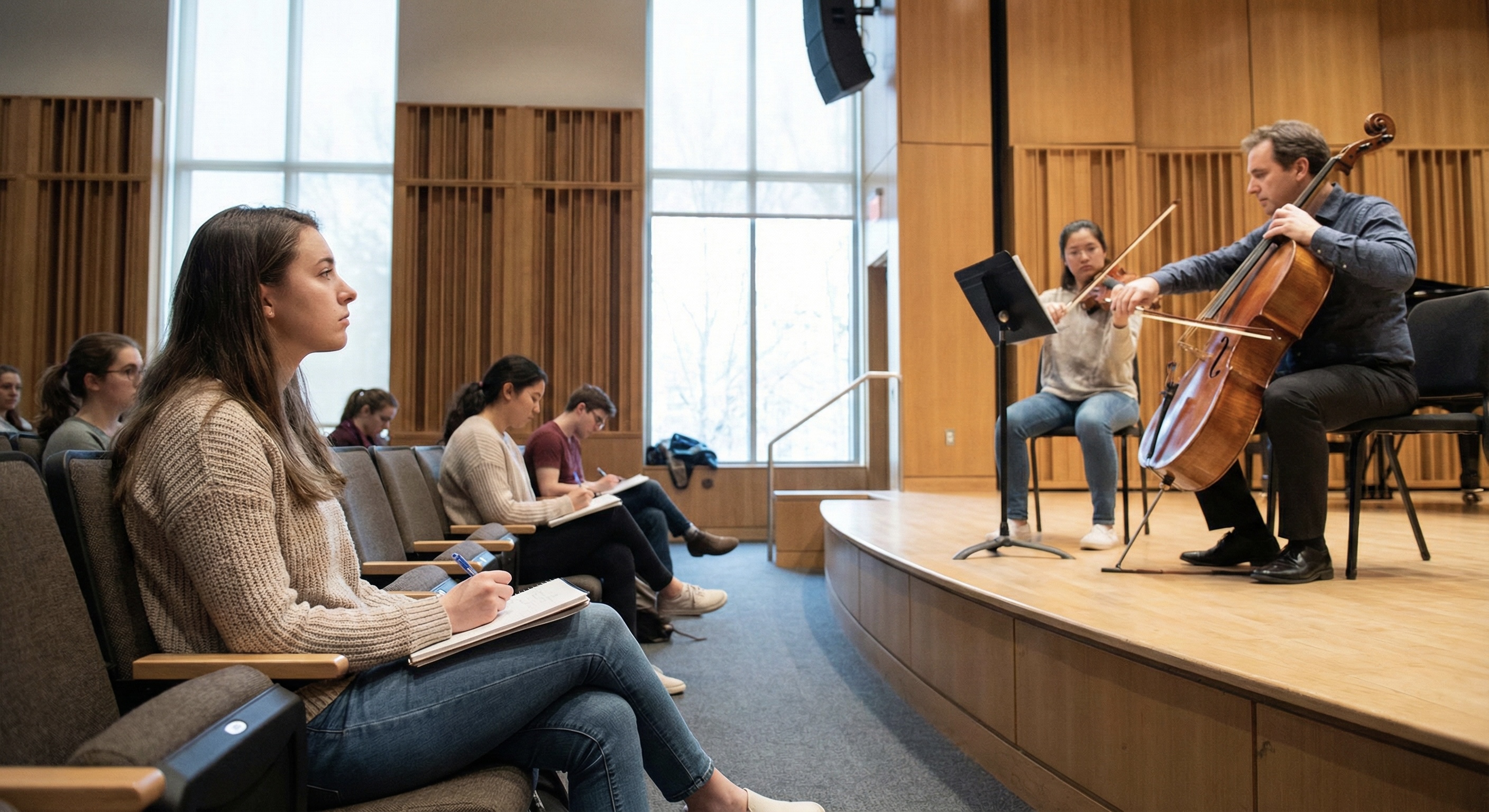
Watch how the teacher breaks down a complex problem into simple steps.
Observe how different students react to feedback.
This "passive" learning is where your critical listening skills are sharpened.
------------
6. Practical Checklist
Arrive Early: Rushing raises your heart rate. Get there 20 minutes early to warm up your hands and your head.
Dress the Part: Wear something professional but comfortable. Ensure your shoes work well with the pedals and your sleeves do not get in the way.
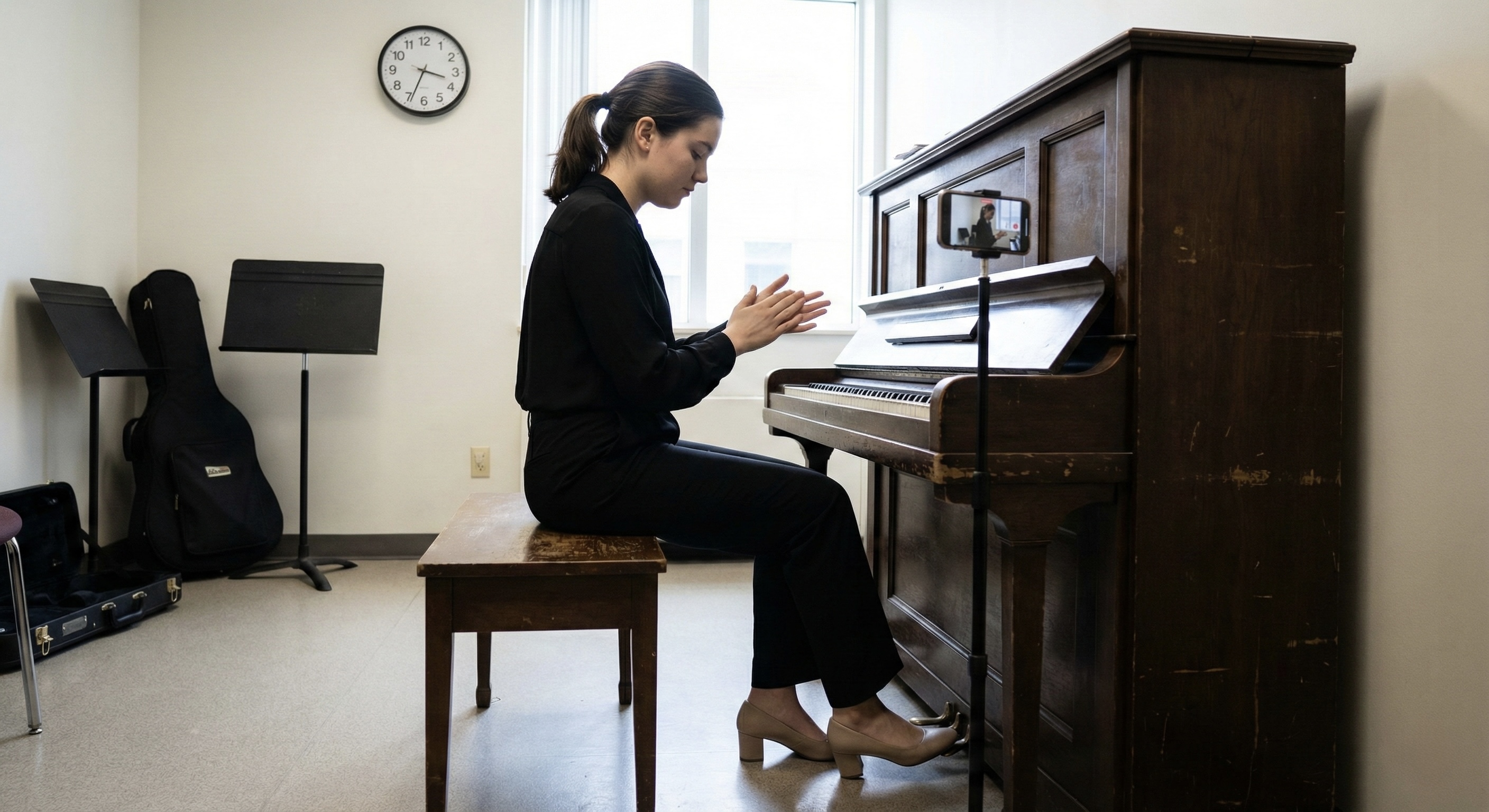
Record It: You will be in a fog of adrenaline and might not remember what the teacher said. Ask permission to record the session on your phone so you can review it later.
Final Thoughts
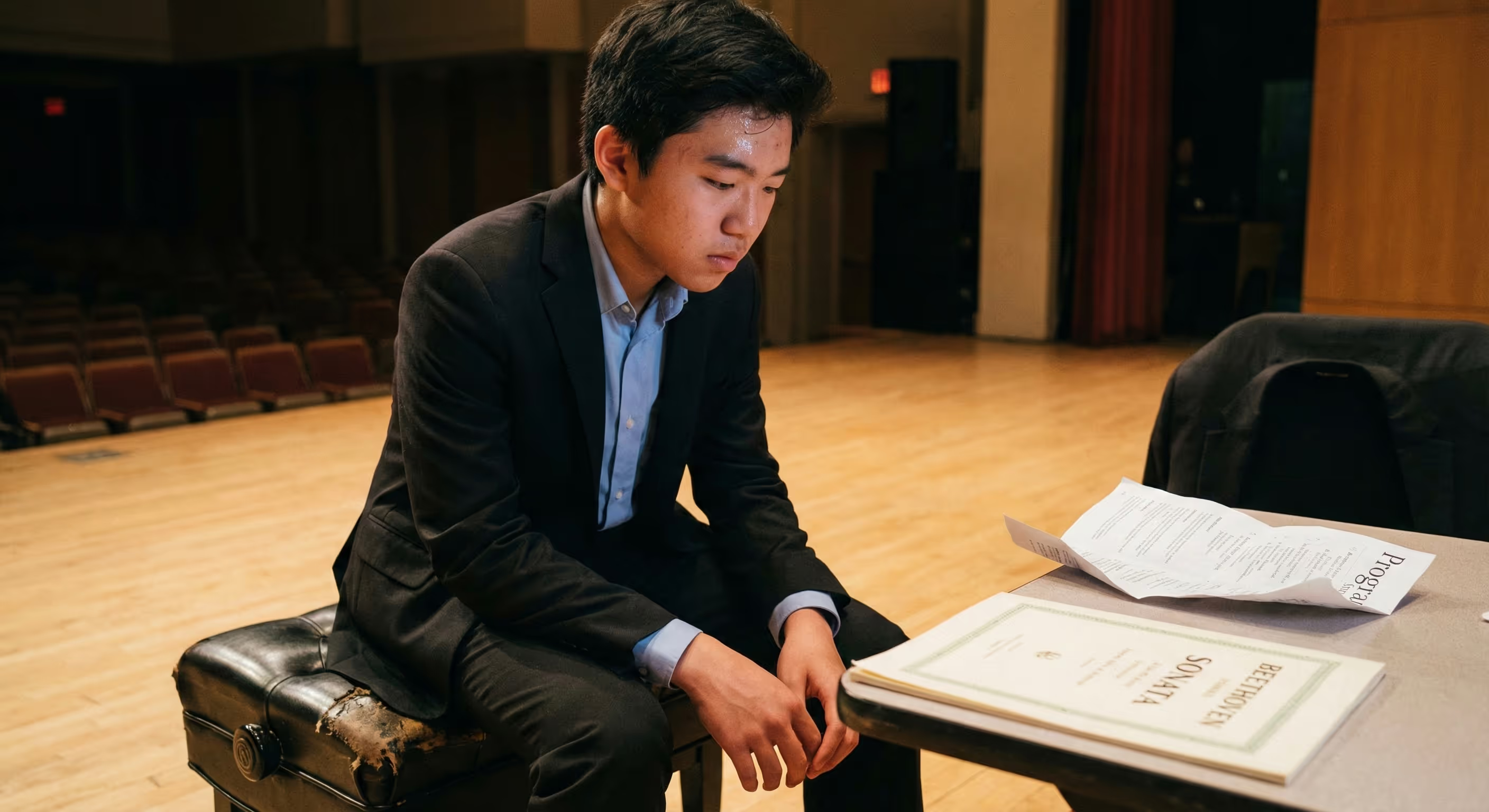
Looking back at that terrified sixteen year old version of myself, I wish I could tell him: "Be vulnerable."
A masterclass is a safe space to be imperfect. It is where we strip away the ego and serve the composer. So walk out there, take a deep breath, and share your music. You might just find that the things you were scared of are actually the very things that will help you find your true voice.